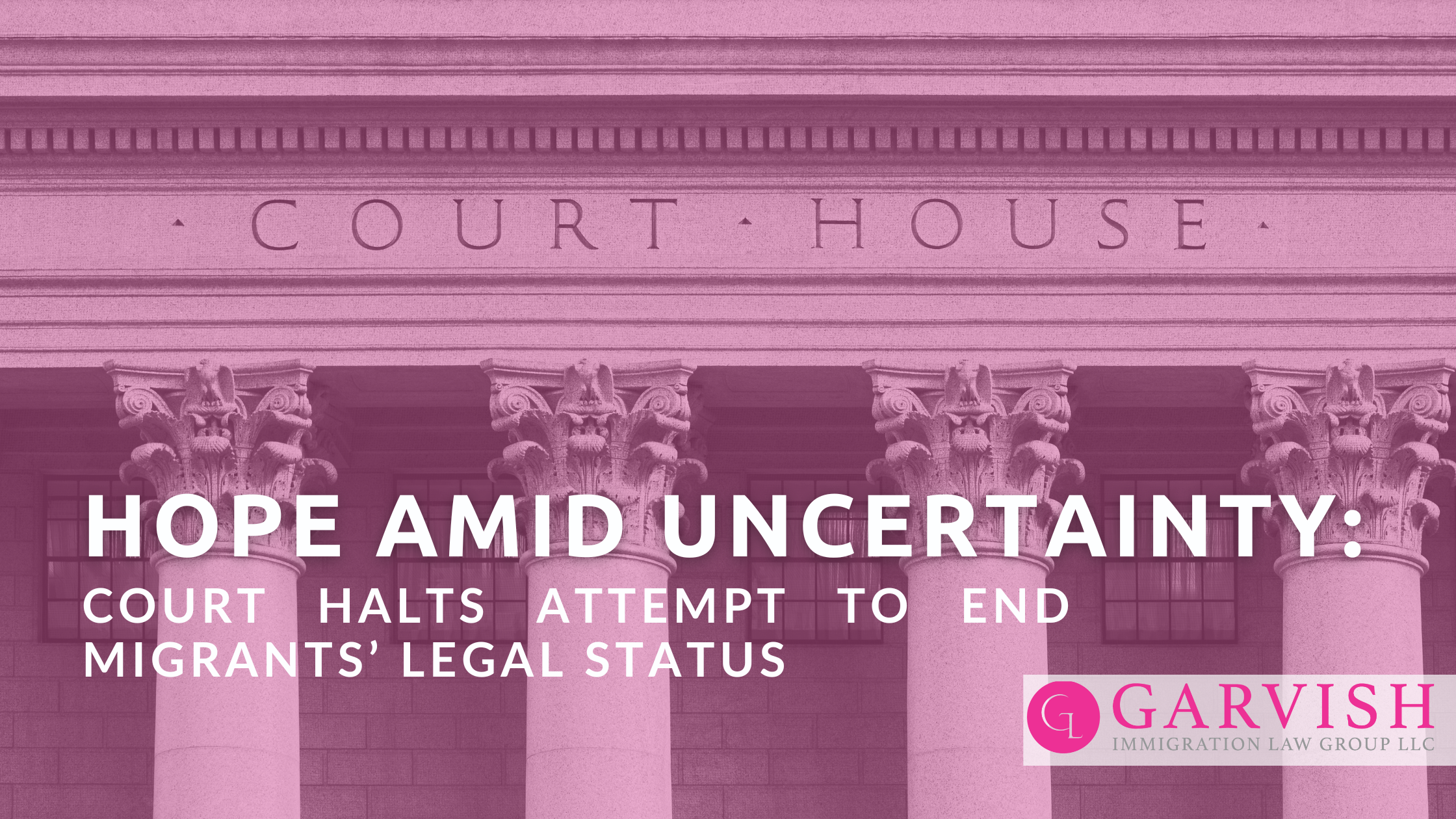
On January 25, 2026, a federal judge issued a significant ruling in Boston that temporarily blocks the Trump administration’s effort to terminate the legal status of more than 8,400 migrants who entered the United States through family reunification parole programs. This decision provides an important pause in the ongoing legal and policy debate around immigration parole, family unity, and administrative authority.
What Happened?
U.S. District Judge Indira Talwani granted a preliminary injunction preventing the DHS from ending the humanitarian parole status of over 8,400 family members of U.S. citizens and green card holders from seven Latin American countries. These countries include Cuba, Haiti, Colombia, Ecuador, El Salvador, Guatemala, and Honduras.
These individuals were originally admitted under family reunification parole programs that allowed them to live and work in the U.S. while waiting for their immigrant visas to become available. The programs were created or modernized under the previous administration to facilitate lawful, safe entry for family members of U.S. residents.
Why the Administration Wanted to End the Program
The Department of Homeland Security had announced plans to end these parole programs, asserting they were inconsistent with the current administration’s immigration enforcement priorities and could be abused to circumvent traditional visa pathways. DHS also claimed concerns about fraud and insufficient vetting in the program.
Under DHS’s plan, the programs were set to end on January 14, but legal challenges delayed the termination and led to Judge Talwani’s injunction.
Why the Judge Blocked the Policy
Judge Talwani’s decision hinged on the finding that DHS failed to provide sufficient evidence for its stated concerns, particularly regarding fraud, and did not adequately consider the real-world impact on migrants who had built lives in the United States, including selling homes, leaving jobs, and planning long-term futures.
In her order, the judge noted that the department’s sudden policy shift lacked a reasoned explanation and was therefore “arbitrary and capricious” under federal administrative law.
Who Is Affected?
The court’s injunction specifically protects those 8,400+ individuals whose humanitarian parole status was in jeopardy. This status has allowed them to live and work in the United States while they wait for their green cards to become available through family-sponsored categories.
The ruling does not mean parole will be permanent, but it pauses the termination while the case advances, meaning affected individuals remain in legal status for now.
What This Means for Migrants & Families
- Legal Status Maintained (For Now): Affected migrants will not immediately lose their humanitarian parole or the protections that come with it.
- Opportunity to Make Their Case: The legal challenge gives families time to argue that abrupt termination would cause harm.
- Continued Advocacy and Litigation: This ruling is part of a broader series of legal challenges to similar attempts to curtail immigration protections, including temporary protected status programs.
What This Means for Employers & HR Teams
- Work Authorization Remains Valid: As long as humanitarian parole remains in effect, individuals can continue to work legally under those terms.
- Planning for Uncertainty: Employers should be aware that this case is ongoing and that final outcomes may affect workforce planning for employees from impacted countries.
- Legal Support for Employees: Providing guidance or access to legal advice can be crucial for employees watching these developments.
What Happens Next
The ruling is a preliminary injunction, meaning the court has temporarily blocked the policy while the legal case proceeds. The final outcome will depend on further arguments in court and potentially appeals.
As this case evolves, Garvish Immigration Law Group will continue monitoring developments and sharing updates. Especially how this court decision interacts with other immigration enforcement actions and policy priorities.
Our Guidance to Clients
- Stay informed: If you or your loved ones are part of humanitarian parole programs, early awareness of legal developments is crucial.
- Consult counsel: Understanding your options now can help you prepare for potential changes in policy or litigation outcomes.
- Plan ahead: Even when status is preserved, knowing next steps, including green card strategies, can make all the difference.
If you have questions about how this ruling affects your case or want dedicated support navigating evolving immigration policy, we’re here to help. Contact us for personalized guidance.




 English
 Albanian
 Arabic
 Bosnian
 Chinese (Simplified)
 Czech
Czech Dutch
Dutch Filipino
 French
 German
 Hindi
Hindi Italian
 Japanese
 Korean
 Portuguese
 Russian
 Serbian
 Spanish
 Swedish
 Thai
Thai Vietnamese